Downhole Progressing Cavity Pump (PCP) Systems
An Efficient Pump Solution for the Oil & Gas - Upstream and Well Dewatering Applications
NEMO® Downhole Progressing Cavity Pumps (PCP) System by NETZSCH is designed for Oil & Gas upstream process applications, especially for pumping viscous fluids and media with high solid content. These pumps are highly efficient in various operations, which include artificial lift of heavy crude oil production to dewatering gas wells and coal seam gas extraction in Coal Bed Methane (CBM) operations. These pump systems effectively convey light to heavy crude oil with sand, water, and gas content at regulated pressure and flow rates, significantly ensuring smooth and efficient operations.
The Progressing Cavity Pump principle makes this artificial lift system ideal for heavy oil production and dewatering the CBM Wells. They offer high flexibility in managing fluid viscosity and temperature, making them suitable for wells with aggressive chemicals or extreme temperatures.
The design of NEMO® PCP Systems ensures minimal wear and tear, with fewer parts prone to wear. Several features in the pump design and expertise in the selection based on the well design clamps enhance the life cycle and reduce workovers in the installations. Additionally, the design of even-wall stators and several possible geometries in the pumping elements ensure lower operational torque and longer operational life in severe fluid conditions.
The PCP pump systems used in Artificial Lift, maintain constant pressure and flow rates while handling fluids with varying temperatures, viscosities, and solids. This design avoids emulsion effects in oil-water mixtures, simplifying surface separation. The key advantage of the PCP technology in artificial lift is its extremely high volumetric efficiency, making it efficient under challenging conditions. The volumetric efficiency of a downhole progressing cavity pump ranges between 75% and 90%, significantly higher than conventional pump systems.
PCP Pump Systems Impress with High Efficiency
In depleting oil wells, the Crude oil density comes from the wells with light oils to heavy oils with an API grade of approx 10- 31. They also come with high mixtures of sand and water, which causes variations in viscosity and abrasion on the pump system. The CBM Well operations also deal with high levels of sand cut during the dewatering operations. The NETZSCH's PCP pump systems handle these conditions effortlessly, even in low-quality oil fields.
Advantages of the Downhole PCP Pump System
Discover the unique benefits of PCP pump systems designed for optimal performance and reliability in the oil and gas upstream industry.
The design of PCPs allows for continuous, smooth flow with minimal pulsation, even when handling viscous or multiphase fluids.
Downhole Progressing Cavity Pump System Construction
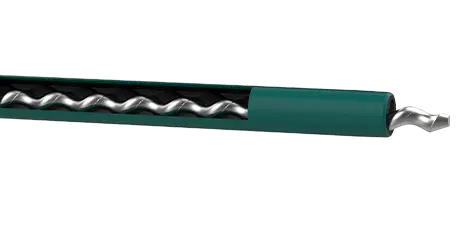
In a PCP pump system, the Rotorrotor,Rotors,rotorsrotor and stator are typically inserted at the well's lower end of the production tubing, while the rotor is connected to the surface drive unit using several sucker rods. The drive chain connected by sucker rods transmits torque from the surface drive head to the rotor. By rotating the rod string in the suction rod, with a surface drive system, the rotor turns within the stationary stator, creating the pumping action needed to deliver fluids to the surface.
The stator is an elastomer vulcanized in a tube. The elastomer stator materials are selected from a wide array of elastomer compounds. This range helps to deal with the thermal, chemical, and abrasion properties of the fluids. The medium of low to extremely high viscosity and temperatures, up to a maximum of 180 °C, can be conveyed at high volumetric efficiencies.
High sand, water or gas content are well handled by the elastomer materials of the PCP pump system. In exceptional cases, where the demands are to handle fluids at high temperatures full metal stators are also available. The portfolio also includes a large number of insertable PCP pumps. The system’s small outer diameter ensures straightforward and cost-effective installation.
The drive head which is a surface unit to provide the torque and rotation is of a robust design and has various options in its design variants. Various sealing systems depending on the application, including mechanical seals, stuffing boxes, and lip seals are offered to prevent leaks and to protect the drive mechanism from abrasive or aggressive media. The sealing box and flange connections are exchangeable, allowing for easy maintenance.
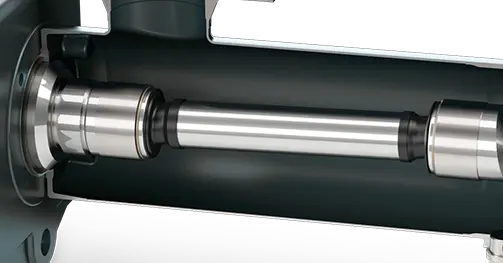
The sucker rod is a key component in Progressing Cavity Pump (PCP) systems and surface drive mechanism systems. It serves as the connecting link between the surface drive mechanism (such as a pump jack or drive head) and the downhole pump, transferring the rotational or reciprocating motion needed to pump fluids to the surface. A torque anchor is provided to prevent the pump from rotating within the tubing. This prevents the tubing from unscrewing and ensures that the energy generated by the motor is efficiently transferred to the rotor, maximizing fluid production.
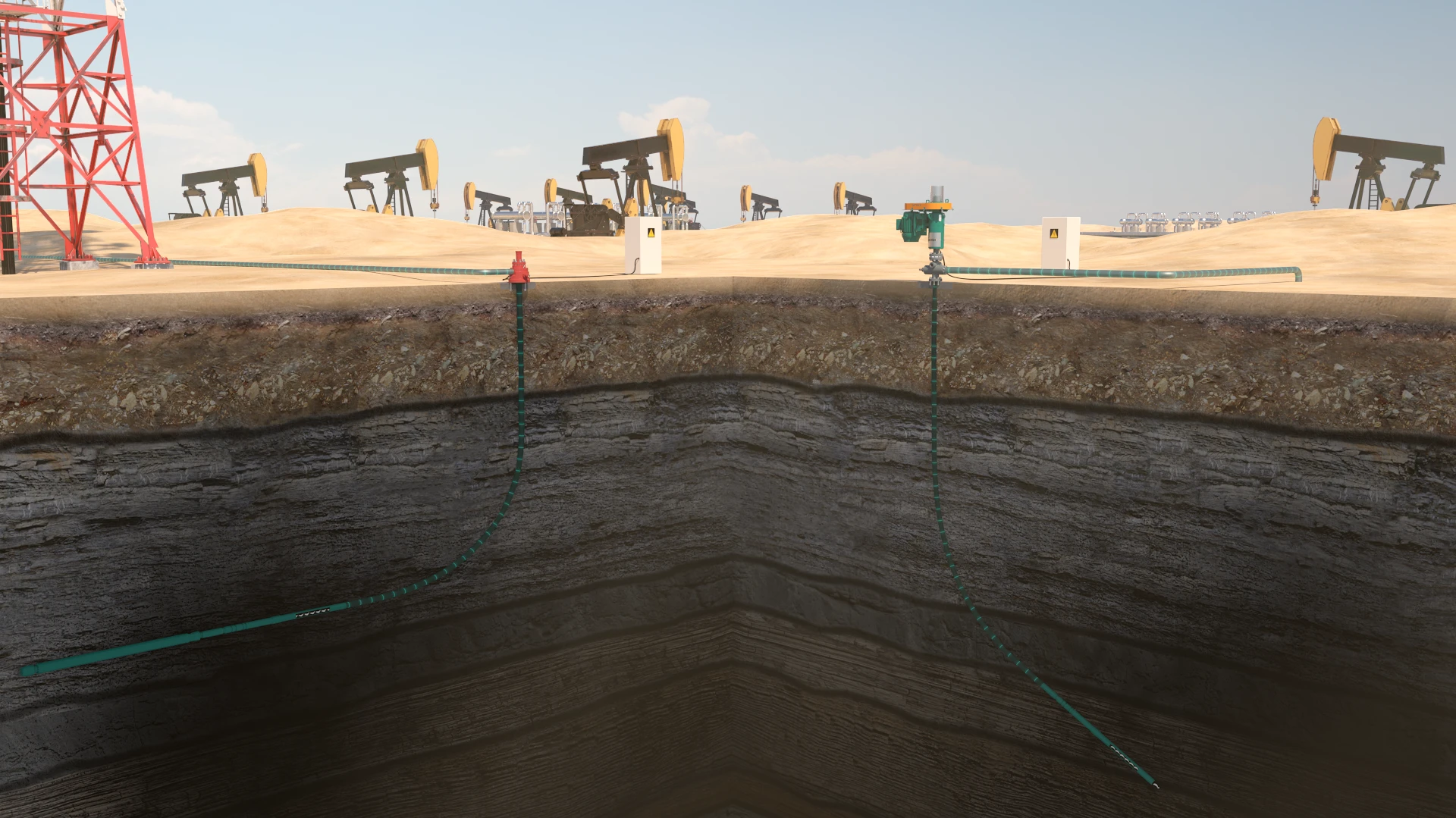
PCP pump systems are known for their high efficiency, making them effective even under challenging conditions. They efficiently handle fluids under
- High Viscosities– API grades from 10 to 35 at the wellhead.
- High sand content – up to 40% at the suction side.
- High gas content – app. 40% free gas at the suction side.
- Water cut – up to 100%.
- Density – up to 0.82 kg/dm³ (45° API).
- Temperature – up to max. 160 °C.
- Pressure – up to 300 bar.
- Production – up to 300 m³/day (1900 bpd) at 100 rpm.
- Solids Handling Capability: Ability to handle fluids with high solid content, such as sand-laden crude oil. They can manage sand concentrations of up to 40%, reducing the risk of clogging or wear and tear.
- Low Shear Rates: PCPs generate low shear forces, making them ideal for handling shear-sensitive fluids, such as emulsions or biological materials, without degrading the product. This is particularly beneficial in the food, pharmaceutical, and chemical industries, as well as in oil production.
- Minimal Maintenance Requirements: PCP systems have relatively fewer moving parts compared to other pump types, which translates into lower maintenance costs and downtime. The simple, robust design means parts are easy to replace or repair, further reducing operational interruptions.
- Adaptability to Well Deviations: PCPs are highly adaptable to deviated or horizontal wells. Their flexible drive shaft and pump configuration can accommodate well deviations without significant performance losses, making them suitable for modern oil recovery methods like horizontal drilling.
- Lower Service Costs: Insertable PCPs can often be replaced or serviced without removing the tubing from the well. This reduces downtime and intervention costs, which is especially valuable in high-maintenance wells. Additionally, specialized flush-by equipment can be used to flush the stator without requiring a full rig.
- Reduced Gas Locking: PCPs are less prone to gas locking, which can be a significant issue in wells with high gas-to-liquid ratios. The progressive cavity design allows gas to be efficiently managed and pumped along with the fluid.
- Customizable Designs: PCP systems offer modular and customizable designs, allowing for adjustments in size, materials, and configurations to suit specific well conditions. This ensures that the pump can handle varying temperatures, pressures, and chemical compositions.
- Low Environmental Impact: Due to their energy efficiency and lower operating costs, PCPs are considered more environmentally friendly than many other pump types. They help reduce the overall carbon footprint of operations, especially in energy-intensive industries like oil and gas.
- Reduced Operational Costs: With their low energy requirements, high efficiency, and minimal maintenance, PCP systems can result in significant cost savings over time. They are particularly advantageous for long-term, continuous operation in challenging environments.
| Name | Stator size (inch) | Pressure max. (bar) | Capacity max. (m³/d at 100 rpm) | Speed (rpm) |
|---|---|---|---|---|
| NTZ Single Lobe 166 | 1.66 | 240 | 1.1 | 500 |
| NTZ Single Lobe 238 | 2.3/8 | 300 | 20 | 500 |
| NTZ Single Lobe 278 | 2.7/8 | 300 | 14 | 500 |
| NTZ Single Lobe 350 | 3.1/2 | 300 | 80 | 500 |
| NTZ Single Lobe 400 | 4 | 300 | 170 | 500 |
| NTZ Single Lobe 450 | 4.1/2 | 300 | 80 | 500 |
| NTZ Single Lobe 500 | 5 | 220 | 98 | 500 |
| NTZ Single Lobe 550 | 5.1/2 | 220 | 176 | 500 |
| NTZ Single Lobe 658 | 6.5/8 | 108 | 330 | 500 |
| NTZ Multi Lobe 238 | 2.3/8 | 240 | 14 | 500 |
| NTZ Multi Lobe 278 | 2.7/8 | 240 | 32 | 500 |
| NTZ Multi Lobe 350 | 3.1/2 | 300 | 40 | 400 |
| NTZ Multi Lobe 400 | 4 | 240 | 142 | 350 |
| NTZ Multi Lobe 450 | 4.1/2 | 240 | 150 | 260 |
| NTZ Multi Lobe 500 | 5 | 200 | 226 | 211 |
Further sizes and technical data on request.

Comprehensive Service and Support
At NETZSCH, our commitment to your success extends well beyond the initial purchase of your NEMO® Downhole Progressing Cavity Pump systems. We offer a complete range of aftermarket services to ensure your pump operates at peak efficiency and reliability throughout its lifecycle.
- Consultation: Our experts provide tailored advice to help you select the right pump configuration and optimize your processes.
- Spare Parts: We maintain a full inventory of genuine spare parts to minimize downtime and ensure optimal pump performance.
- Maintenance: Our routine and preventative services keep your pump running smoothly and prevent unexpected breakdowns.
- Repair: Swift and Efficient: Our prompt repair services ensure minimal disruption and a quick return to operation.
- Modernization: We offer modernization services to keep your pump system up-to-date with the latest technology and performance standards.
FAQs
PCP pump systems maintain high efficiency with volumetric efficiency between 75% and 90%. They perform well under challenging conditions.
The PCP pump systems can handle various oil compositions, from light oils with high API grades to heavy crude with high sand, water, and gas content.
The PCP pump systems require little maintenance due to their robust design and minimal moving parts.
The PCPs are proven efficient and cost-effective to lift water (upto 100% water cut) with sand, coal fines and gas content.

Applications NEMO® PCP pump systems

Get in Touch for Expert Pump Advice
Discover the efficiency and reliability of our PCP Pump Systems. Contact our technical team to discuss your fluid handling needs and learn how our customizable pump solutions can optimize your operations. We offer consultation, technical support, and help in selecting the right pump for your application.
FAQ progressing cavity pumps
Progressing cavity pumps are particularly suitable for pumping highly viscous, abrasive, solid-laden or shear-sensitive media. Typical applications include the chemical, food, environmental, paper and building materials industries, as well as the oil and gas sector.
NEMO® progressing cavity pumps from NETZSCH Pumps & Systems are characterised by gentle, low-pulsation pumping, high dosing accuracy and a wide range of applications. They enable a constant delivery rate even with changing pressures and media compositions.
Progressing cavity pumps can be used to convey low-viscosity to highly viscous media, including slurries, suspensions, pastes, media with a high solids content, and sensitive or gas-laden liquids.
Yes, progressing-cavity pumps are self-priming and exhibit excellent suction performance. This makes them ideal for applications with changing fill levels or difficult suction conditions.
Maintenance requirements are low and predictable. Wear parts such as the rotor and stator can be easily replaced. Maintenance-friendly designs enable short downtimes and high plant availability.
The service life depends on factors such as the medium, speed, pressure and choice of materials. Professional design and the use of original spare parts ensure a long service life and economical operation.
All relevant original spare parts are available for progressing cavity pumps from NETZSCH Pumps & Systems, including rotors, stators, seals, joint parts and other wear-related components. The spare parts are precisely matched to the pump design and ensure high operational reliability.
The correct spare part can be identified by the machine number, serial number, or item number. Spare parts lists, sectional drawings and the operating and maintenance instructions also provide support. Alternatively, the NETZSCH Pumps & Systems service team can provide expert advice on selecting the right original spare part.
The experts at NETZSCH Pumps & Systems will assist you in the design, selection and integration of the right progressing cavity pump – tailored to your specific pumping tasks and process requirements.