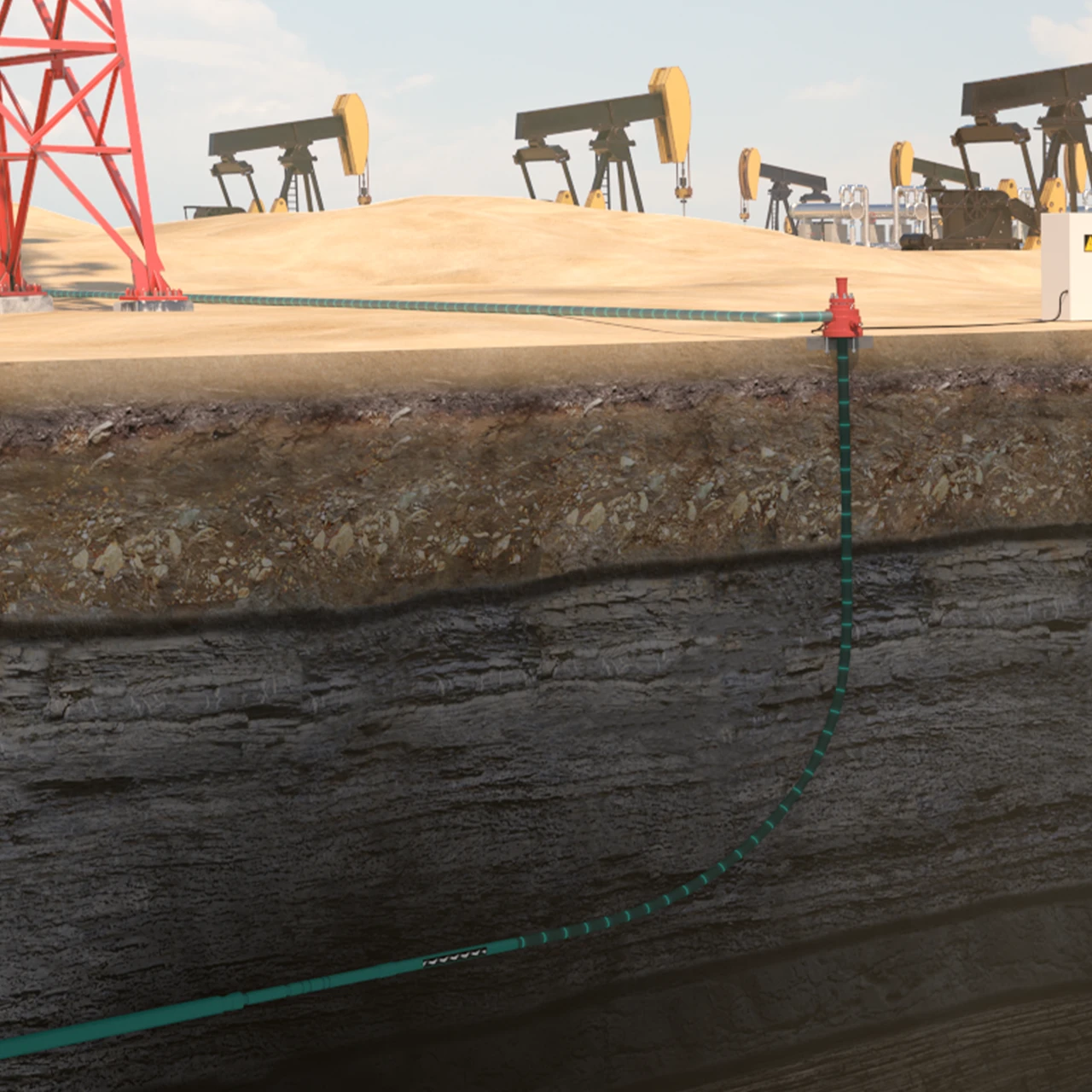
Electrical Submersible Progressing Cavity Pump (ESPCP) System
A Highly Reliable Pump system for Oil & Gas Upstream
The NEMO® Electric Submersible Progressing Cavity Pump (ESPCP) Systems by NETZSCH are an advanced solution that combines the benefits of electric submersible permanent magnet motors (PMM) and progressing cavity pumps (PCP). These systems are designed to improve oil production efficiency, especially in wells with challenging conditions like high viscosity fluids, multiphase mixtures, and wells requiring deep installation.
This system utilizes an electric submersible motor to directly power the downhole progressing cavity pump. This design eliminates the need for surface mechanical drives and sucker rods, reducing mechanical wear and increasing the efficiency of power transmission. This also avoids the typical problems of disconnected sucker rods and pipe failures. They are installed within the tubing downhole, unlike traditional PCP systems where the motor is on the surface. This design reduces surface equipment, minimizes footprint, and is suitable for wells with high deviations or horizontal sections.
Energy-saving and highest reliability
The electric submersible progressing cavity pump system is an energy-saving solution with excellent reliability in all applications. It is equipped with numerous downhole sensors. They provide information on the pump’s pressure, temperature, vibration, and motor temperature.
Hence, you can continuously monitor the fluid level and react to possible changes as quickly as possible. It also enables high flow rates in complex (deviated and horizontal) wells and fluid conditions. In addition, the electric submersible progressive cavity pump system reduces your operating costs thanks to its low failure rate.
Advantages of the ESPCP Systems
Electric Submersible Progressing Cavity Pump Construction
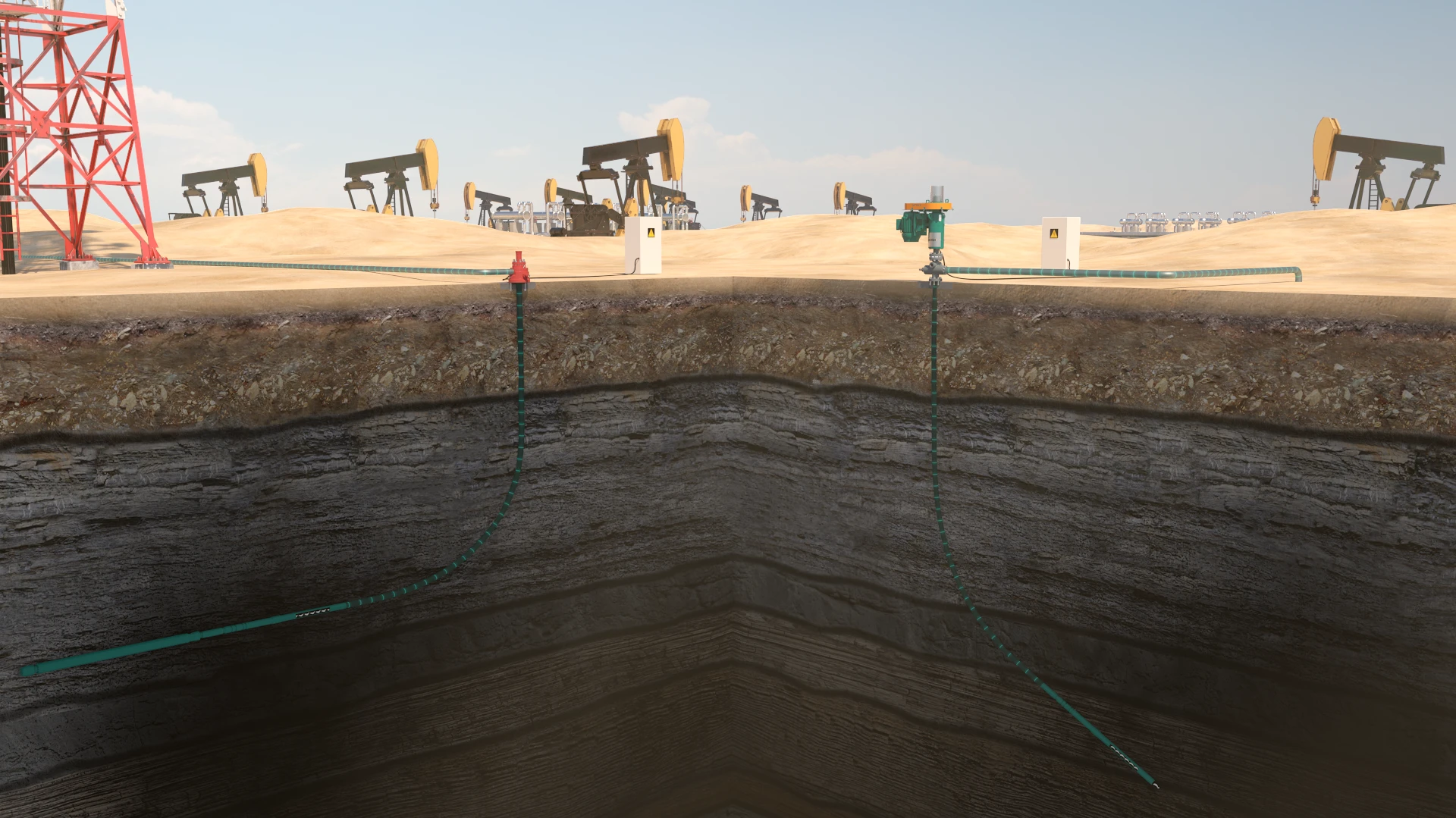
The NEMO® Electric Submersible Progressing Cavity Pump (ESPCP) system's construction integrates advanced components to optimize performance in challenging oilfield environments.
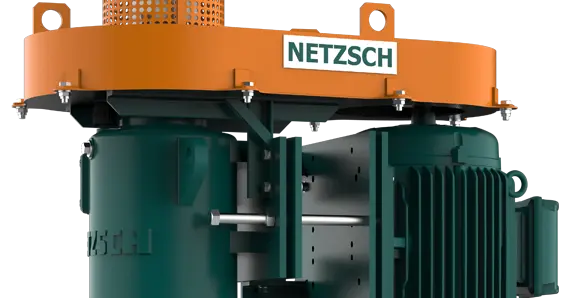
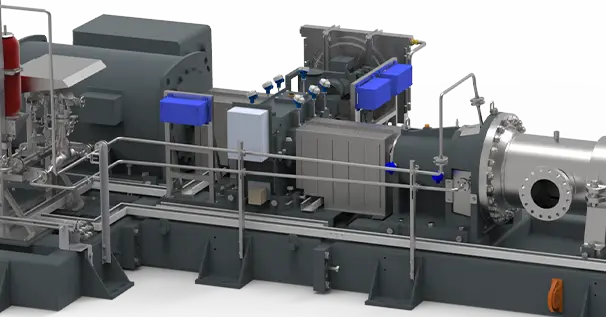
The heart of the ESPCP system is the downhole electric submersible motor that powers the pump by providing rotational energy. It is designed to operate in harsh well conditions, capable of withstanding high temperatures and pressures while driving the rotor within the stator. The motor is installed inside downhole tubing, reducing surface equipment requirements and ensuring efficient energy transmission. An electrical cable runs from the surface to the downhole motor, supplying the necessary power. The cable is designed to resist the high temperatures, pressures, and corrosive fluids typically found in oil wells. Cable protectors are often used to ensure the cable remains intact during the system's operation and installation. On the surface, the ESPCP system includes a control panel that manages the operation of the downhole motor. This control system can include frequency inverters to adjust the motor speed, enabling precise control over the pump's output.
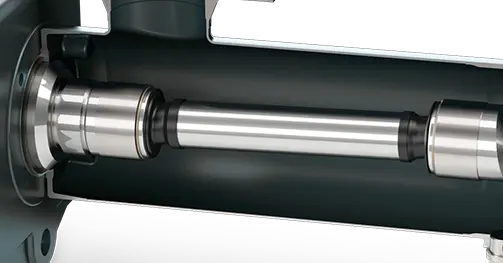
Automation features may include real-time monitoring and remote operation capabilities, allowing the system to be adjusted based on well conditions. A torque anchor is provided to prevent the pump from rotating within the tubing. This prevents tubing from unscrewing and ensures that the energy generated by the motor is efficiently transferred to the rotor, maximizing fluid production. The pump housing is compact and rugged, allowing it to be deployed in deep or deviated wells without being damaged during installation or operation. The ESPCP system includes mechanical seals to protect the motor and pump internals from well fluids and contamination. These seals are designed to withstand the harsh chemicals and abrasives found in oilfield fluids. Bearings support the shaft and rotor, ensuring smooth and efficient rotation under high loads and minimizing wear.
The main feature of the Electric Submersible Progressing Cavity Pumps (rotor & stator) is their assembly inside the tubing. Thus, the pump is not connected to the production line but is assembled inside it. Therefore, it is ideal for:
- Wells with low flow – where the maintenance cost makes the use of a normal pump economically unsuitable
- Flow range from 1.1 m3/d to 120 m3/d at 100 rpm
- Pressure ranges upto 300 bar
- Pump with downhole sensors
- Handling of Multiphase Fluids: Can handle multiphase fluids (oil, water, and gas mixtures) without the need for separation equipment. This capability is essential in wells where high gas fractions, water cuts, or sand content are present.
- High Efficiency for Viscous Fluids: These systems excel in pumping high-viscosity fluids like heavy oil, bitumen, or sludges, which other pump types struggle with. The progressing cavity technology ensures efficient handling of these challenging fluids with minimal pulsation and shear. The system is particularly well-suited for thermal recovery operations where viscous fluids need to be pumped at high temperatures.
- Lower Energy Consumption: ESPCP systems consume less energy compared to traditional electric submersible pumps (ESPs) due to their high efficiency in moving viscous and abrasive fluids. They can be equipped with variable speed drives (VSDs) to optimize energy usage and control the pump's output based on real-time well conditions, ensuring that only the necessary power is used.
- Minimized Downtime and Maintenance:ESPCP systems are designed for easy servicing without needing to remove the tubing, which reduces workover costs and downtime during pump maintenance or replacement. The ability to replace pumps without a rig and the lower number of wear parts significantly reduce the operational expenses over time.
- Adaptability to changing Well Conditions: Thesesystems offer high flexibility in adapting to various well conditions. They can be customized to handle a wide range of flow rates, pressures, and fluid compositions, making them suitable for both low and high-flow wells. The downhole sensors and monitoring systems allow operators to adjust the pump’s operation based on real-time data, ensuring optimal performance.
- Improved Performance in High Gas Content Wells:ESPCP systems perform efficiently in wells with high gas-to-liquid ratios and gas slugs. The progressing cavity pump can handle gas volumes without gas locking, which is a common issue with traditional electric submersible pumps (ESPs).
- Automated Control and Monitoring:ESPCP systems can be integrated with advanced downhole sensors to provide real-time data on temperature, pressure, and fluid levels. This allows for automated control, improving operational efficiency and reducing the need for manual adjustments. The ability to monitor the system in real-time enhances predictive maintenance, reducing the chances of unexpected downtime.
- Environmentally Friendly: Due to their energy efficiency and the ability to handle multiple fluid types without separation equipment, ESPCP systems reduce the need for additional processing equipment and minimize environmental impact. Their compact surface footprint also makes them ideal for environmentally sensitive areas.

Comprehensive Aftermarket Services for Your NEMO® Electric Submersible Progressing Cavity Pump Systems
At NETZSCH, our commitment to your success extends well beyond the initial purchase of your NEMO® FSIP® Progressing Cavity Pump. We offer a complete range of aftermarket services to ensure your pump operates at peak efficiency and reliability throughout its lifecycle.
- Consultation: Our experts provide tailored advice to help you select the right pump configuration and optimize your processes.
- Spare Parts: We maintain a full inventory of genuine spare parts to minimize downtime and ensure optimal pump performance.
- Maintenance: Our routine and preventative services keep your pump running smoothly and prevent unexpected breakdowns.
- Repair: Swift and Efficient: Our prompt repair services ensure minimal disruption and a quick return to operation.
- Modernization: We offer modernization services to keep your pump system up-to-date with the latest technology and performance standards.
FAQs
The key difference is the electric submersible motor used in ESPCP systems, which is located downhole to drive the pump. In traditional PCP systems, the rotor is driven from the surface using mechanical rods. ESPCP systems eliminate the need for a surface drivehead and sucker rods, reducing mechanical wear and improving efficiency in deviated wells.
ESPCP systems are capable of handling a wide range of fluids, including:
- High-viscosity fluids like heavy oil and bitumen
- Multiphase fluids (oil, gas, water mixtures)
- Fluids with high sand or solid content
- Shear-sensitive fluids like emulsions or liquids prone to degradation
Yes, ESPCP systems are ideal for offshore platforms due to their compact surface footprint and ability to handle complex well conditions such as multiphase fluids and deep, deviated wells. The reduced need for surface mechanical equipment makes them highly efficient in space-constrained environments.
ESPCP systems are ideal for:
- Heavy Crude oil Production
- Wells with high gas-to-liquid ratios
- Multiphase fluid wells (oil, water, gas mixtures)
- Deviated and horizontal wells
- Thermal recovery operations
- Offshore oil production where space is limited on platforms

Applications NEMO® ESPCP pump systems

Get in Touch for Expert Pump Advice
Discover the efficiency and reliability of our ESPCP Pump Systems. Contact our technical team to discuss your fluid handling needs and learn how our customizable pump solutions can optimize your operations. We offer consultation, technical support, and help in selecting the right pump for your application.
FAQ progressing cavity pumps
Progressing cavity pumps are particularly suitable for pumping highly viscous, abrasive, solid-laden or shear-sensitive media. Typical applications include the chemical, food, environmental, paper and building materials industries, as well as the oil and gas sector.
NEMO® progressing cavity pumps from NETZSCH Pumps & Systems are characterised by gentle, low-pulsation pumping, high dosing accuracy and a wide range of applications. They enable a constant delivery rate even with changing pressures and media compositions.
Progressing cavity pumps can be used to convey low-viscosity to highly viscous media, including slurries, suspensions, pastes, media with a high solids content, and sensitive or gas-laden liquids.
Yes, progressing-cavity pumps are self-priming and exhibit excellent suction performance. This makes them ideal for applications with changing fill levels or difficult suction conditions.
Maintenance requirements are low and predictable. Wear parts such as the rotor and stator can be easily replaced. Maintenance-friendly designs enable short downtimes and high plant availability.
The service life depends on factors such as the medium, speed, pressure and choice of materials. Professional design and the use of original spare parts ensure a long service life and economical operation.
All relevant original spare parts are available for progressing cavity pumps from NETZSCH Pumps & Systems, including rotors, stators, seals, joint parts and other wear-related components. The spare parts are precisely matched to the pump design and ensure high operational reliability.
The correct spare part can be identified by the machine number, serial number, or item number. Spare parts lists, sectional drawings and the operating and maintenance instructions also provide support. Alternatively, the NETZSCH Pumps & Systems service team can provide expert advice on selecting the right original spare part.
The experts at NETZSCH Pumps & Systems will assist you in the design, selection and integration of the right progressing cavity pump – tailored to your specific pumping tasks and process requirements.